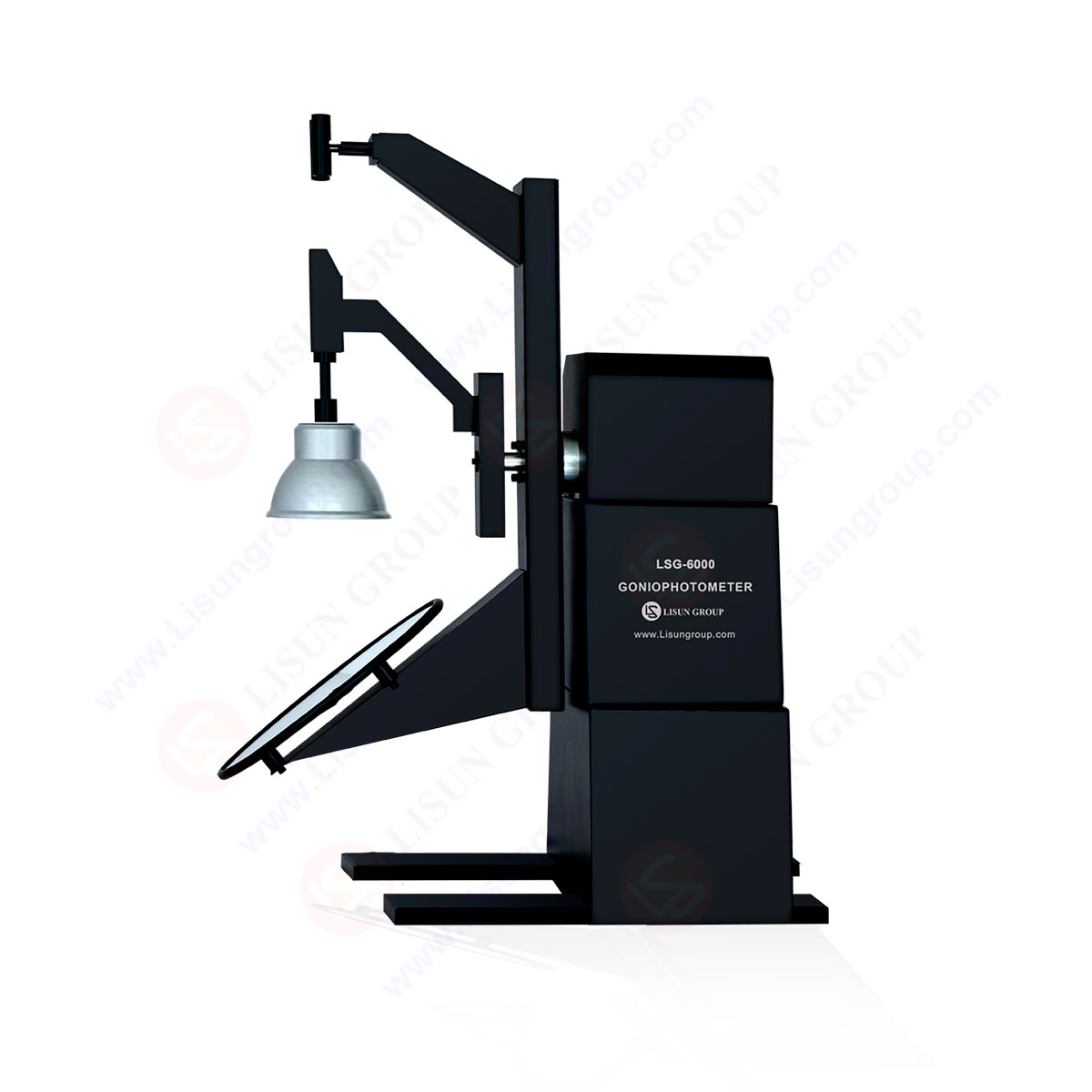
LM-79 Moving Detector Goniophotometer (Mirror Type C)
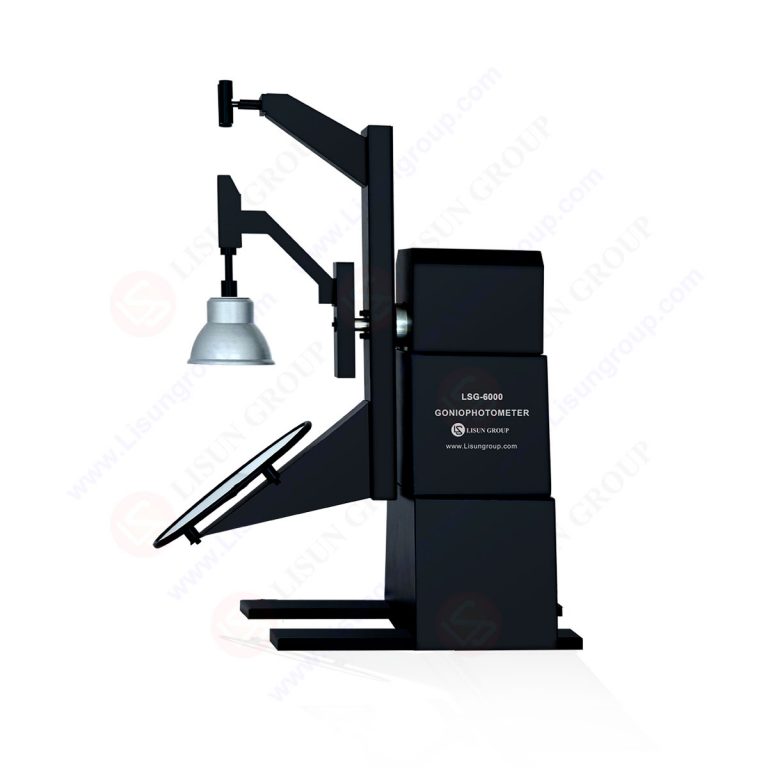
LSG-6000
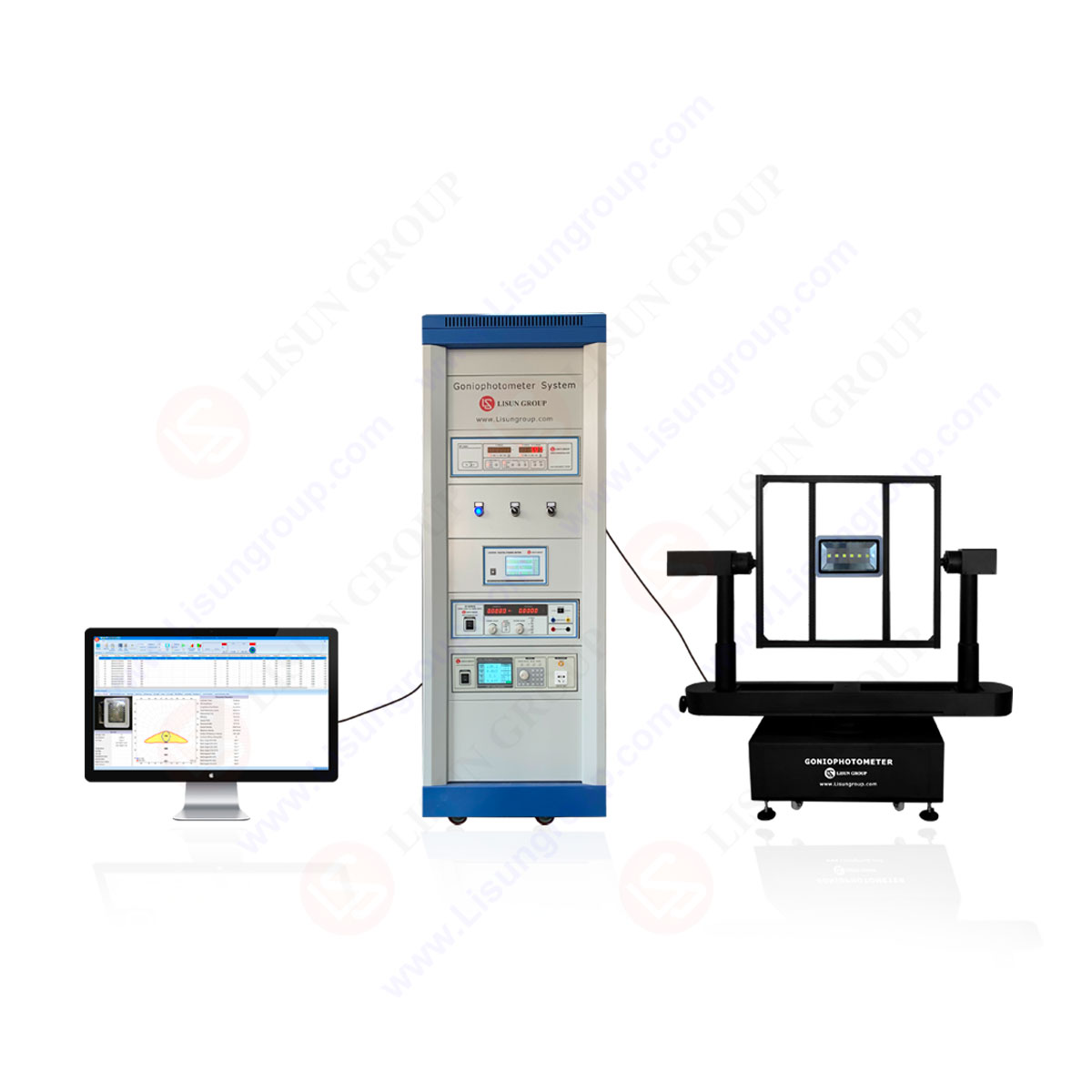
High Precision Rotation Luminaire Goniophotometer
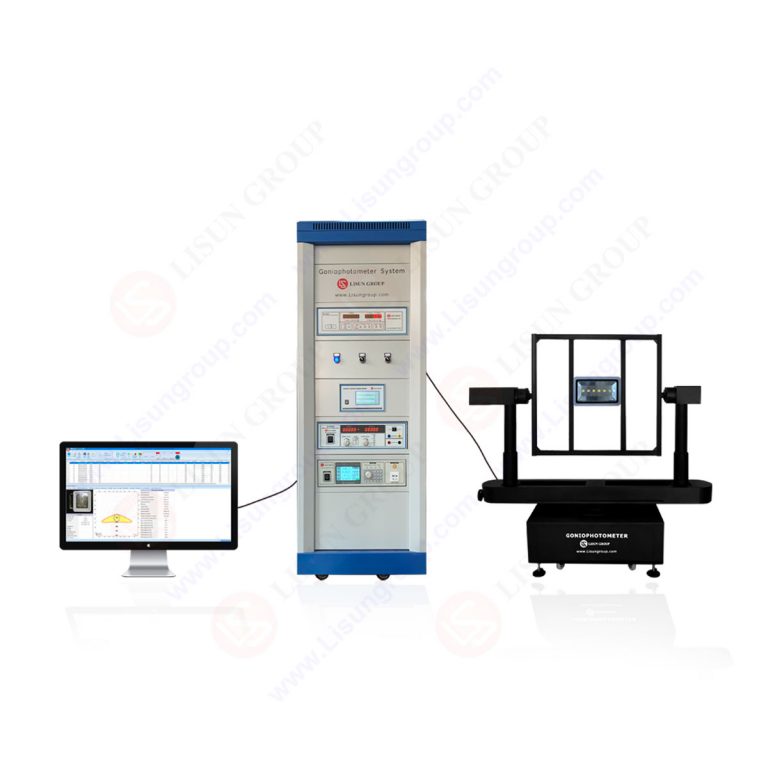
LSG-1890B
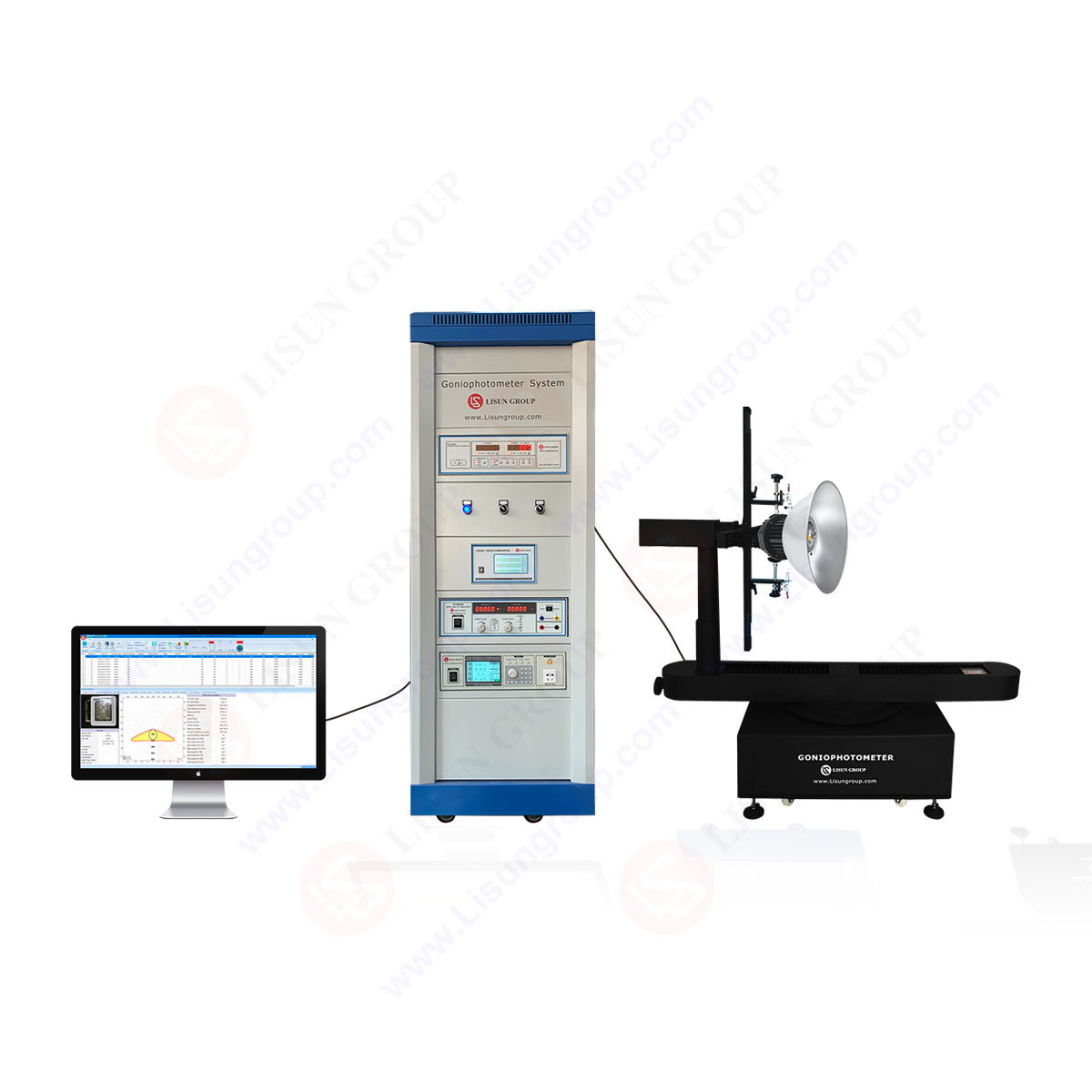
High Precision Rotation Luminaire Goniospectroradiometer
LSG-1890BCCD
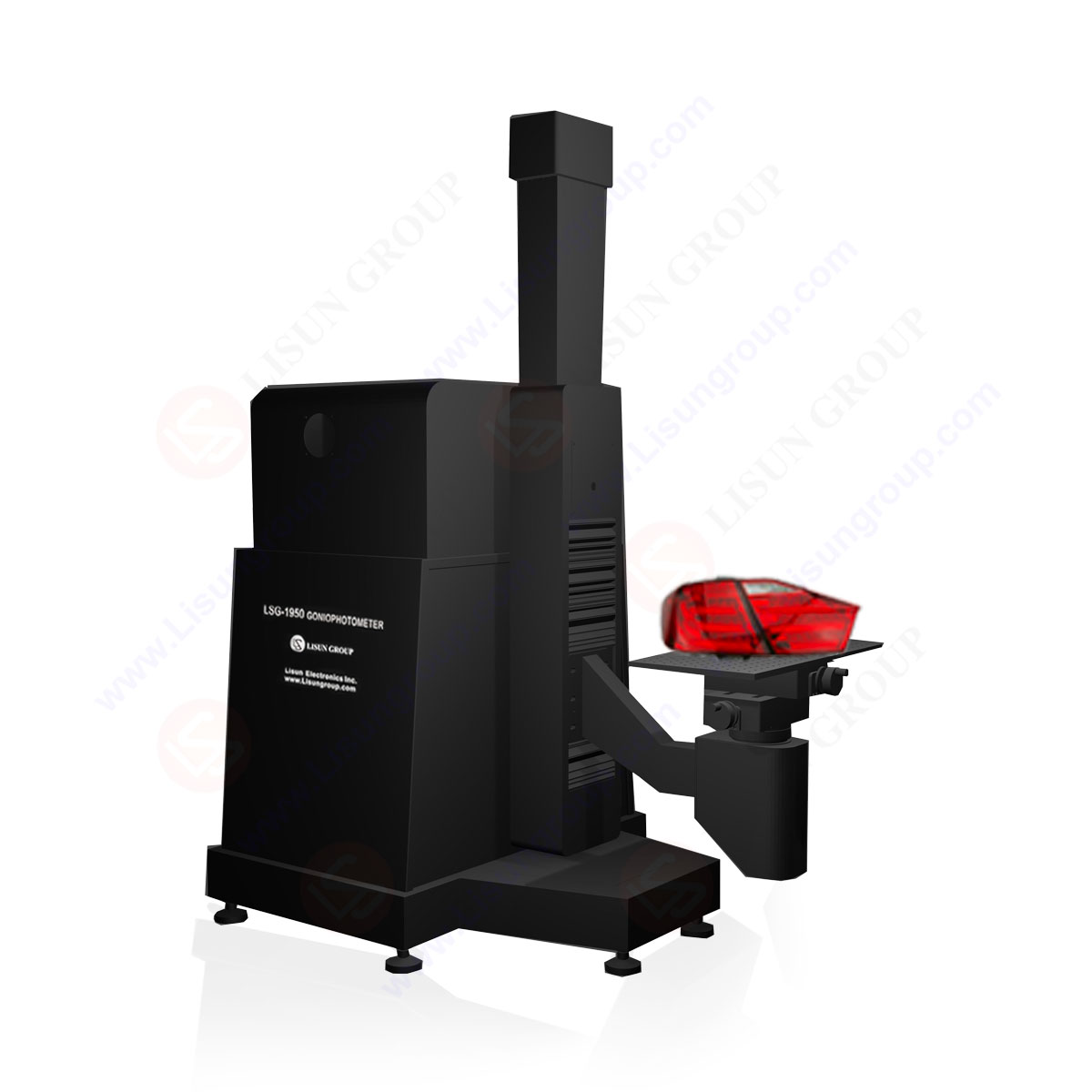
Goniophotometer for Automotive and Signal Lamps
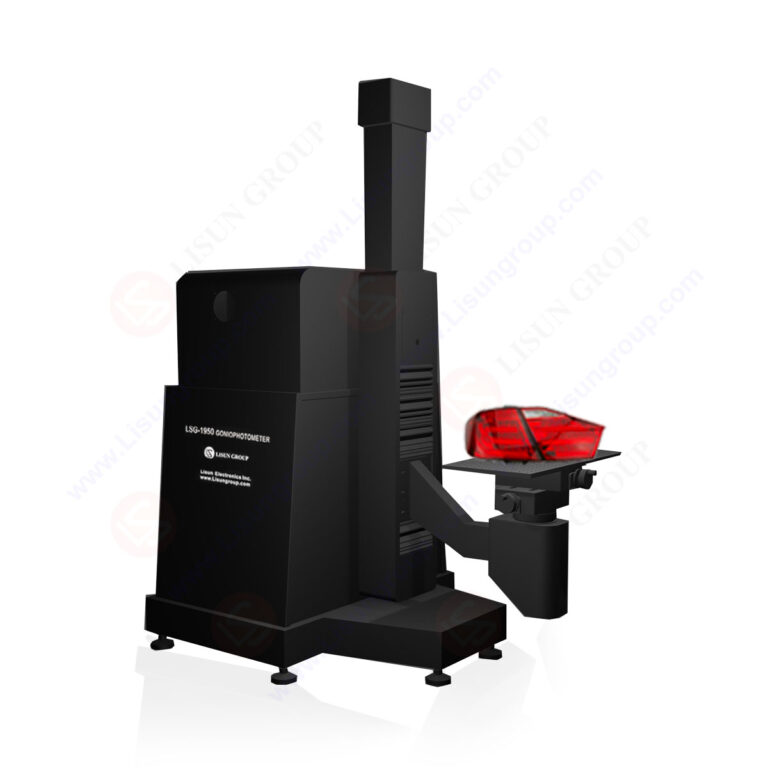
LSG-1950
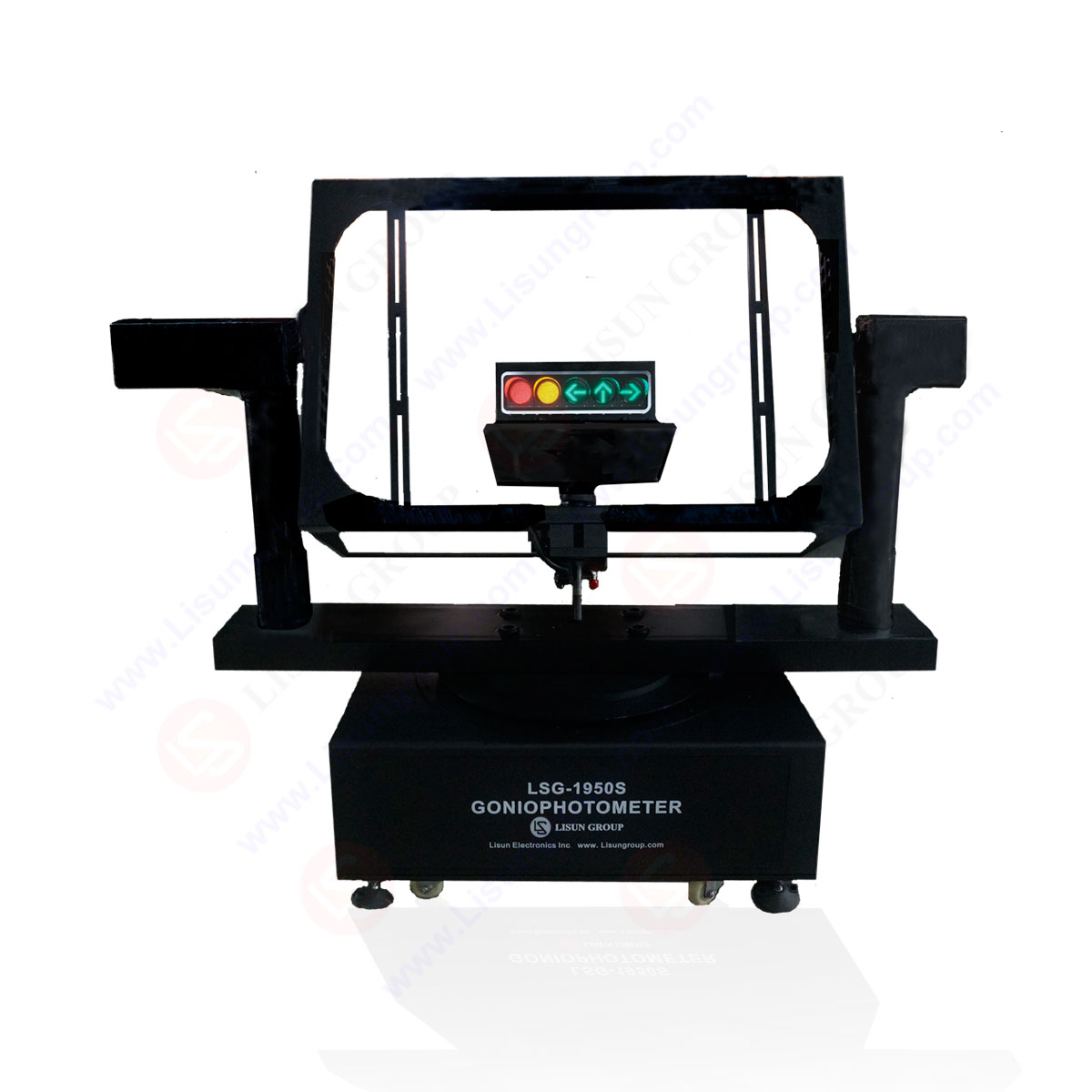
Goniophotometer for Traffic Signal Lamps
LSG-1950S
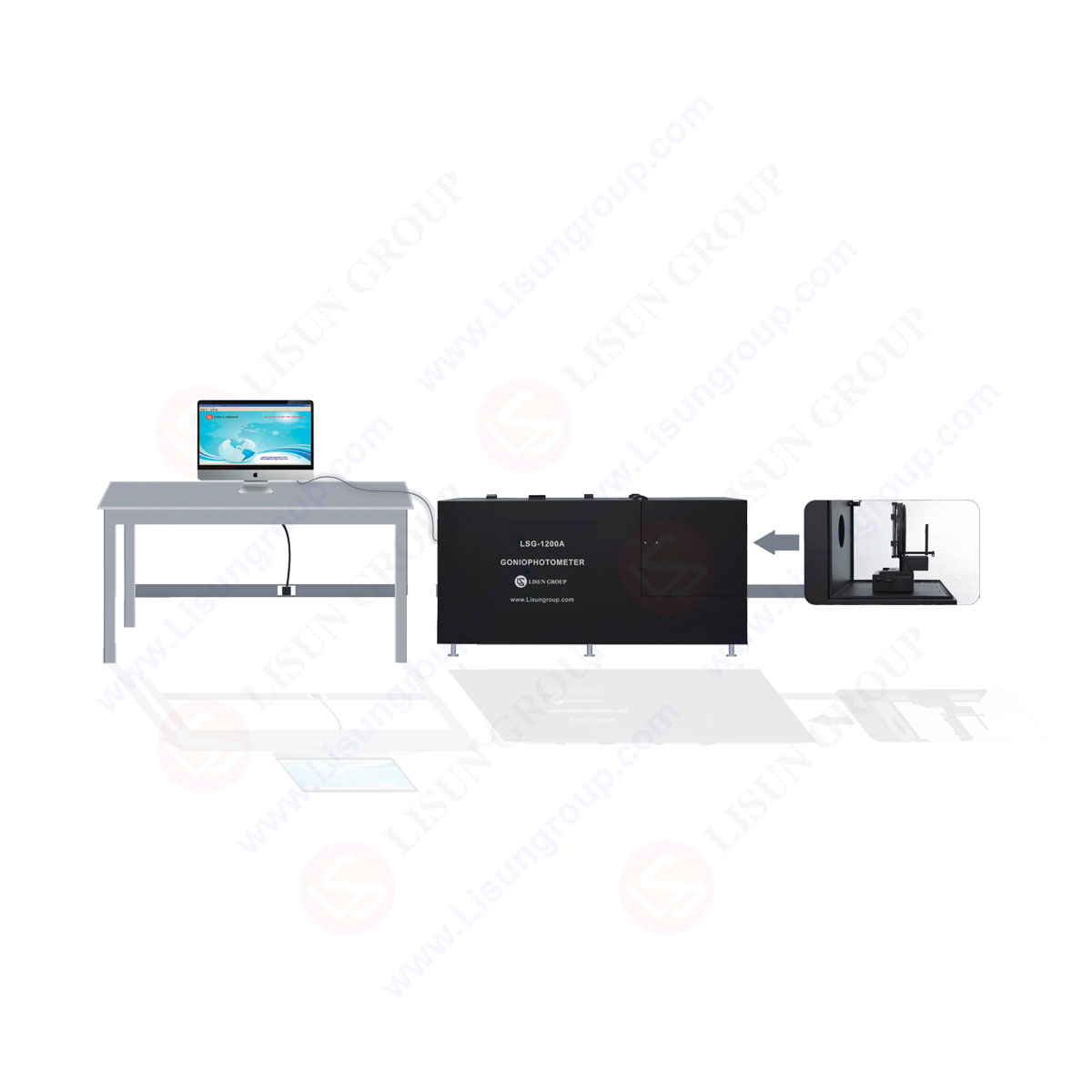
Compact Goniophotometer
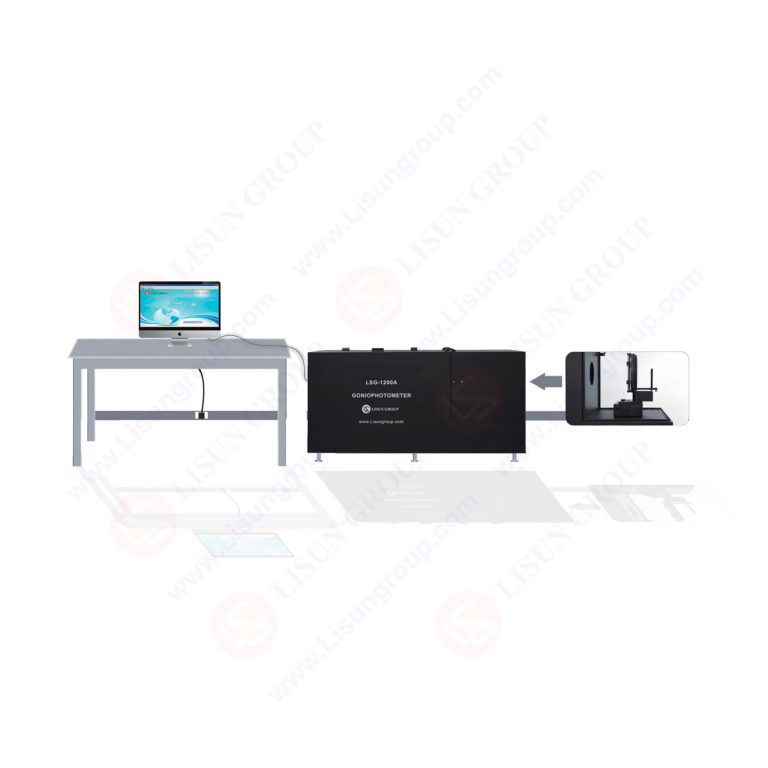
LSG-1200A
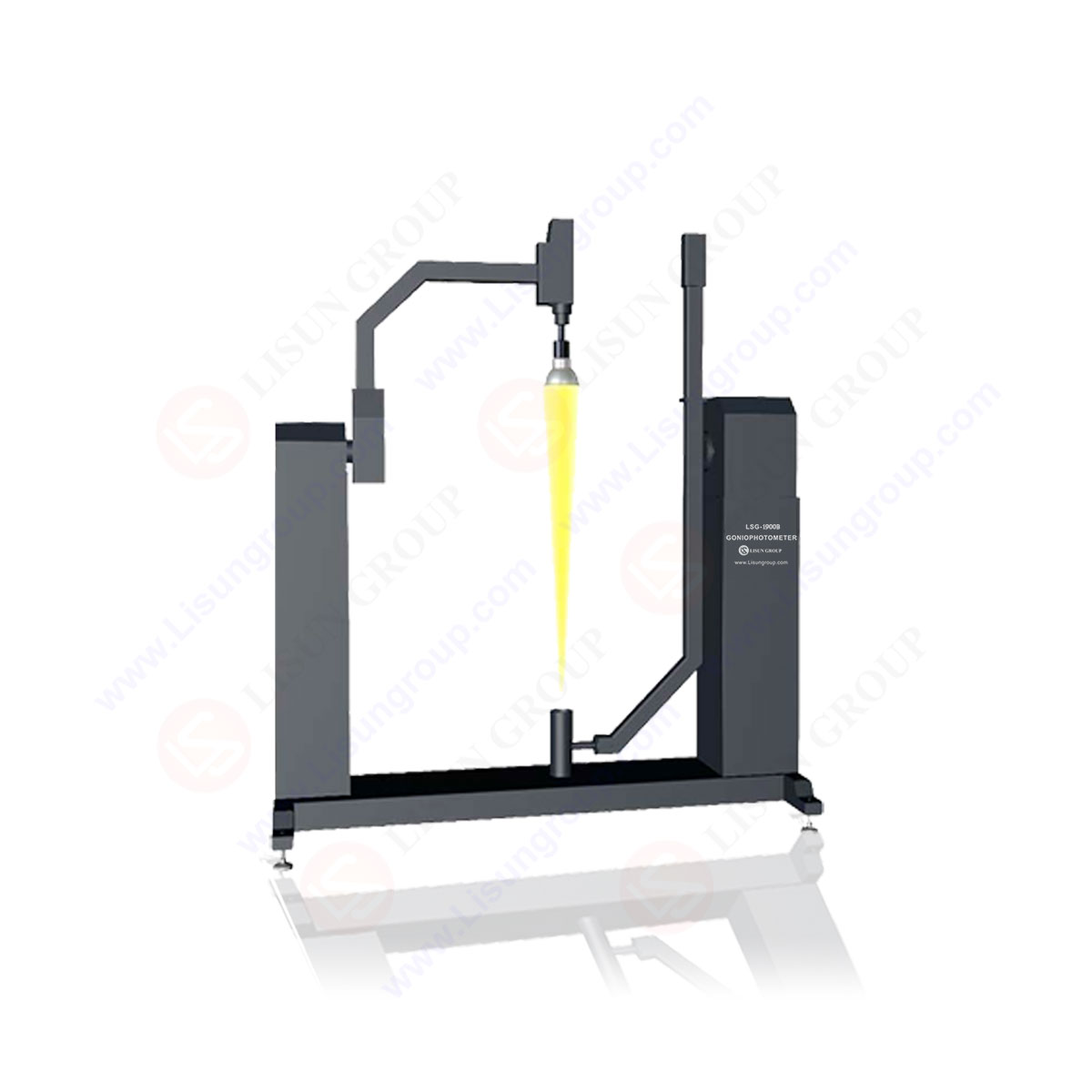
Near Field Moving Detector Goniophotometer
LSG-1900B
 LEDs and Luminaire Test Solutions
  LM-79 and LM-80 Test Solutions
  LED Driver Test Solutions
  Household Appliances Test Solutions
  Mobile and Network Test Solutions
  Automotive Electronics Test Solutions
  Audio-Video and IT Test Solutions
  Cable and Wire Test Solutions
  Plugs and Sockets Test Solutions
  Power Switch Test Solutions
  Transformer Test Solutions
  Electric Toys Test Solutions
  Energy Meter Test Solutions
  Motor-Operated Tool Test Solutions
 Select an organization
to browse standards
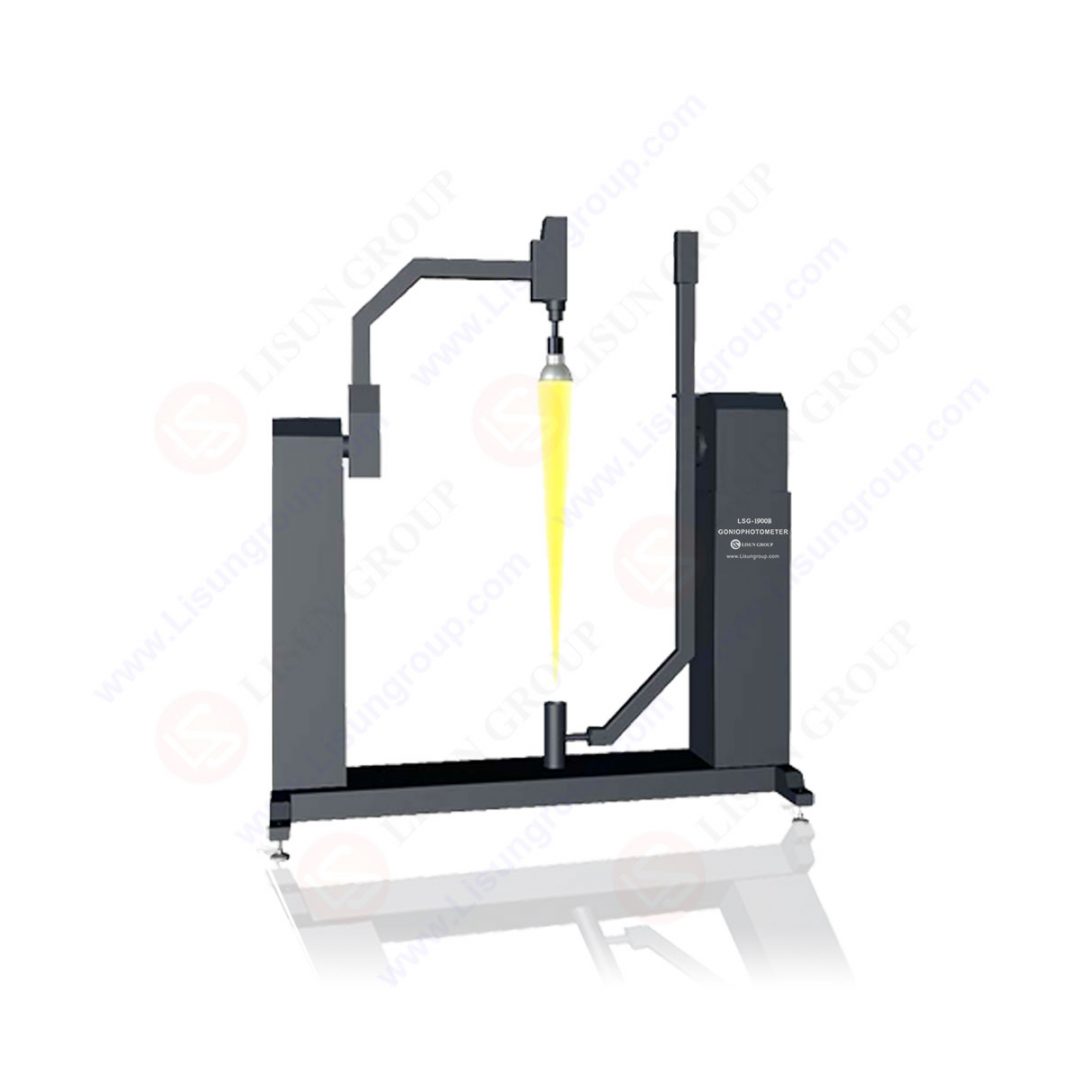
Product No: LSG-1900B
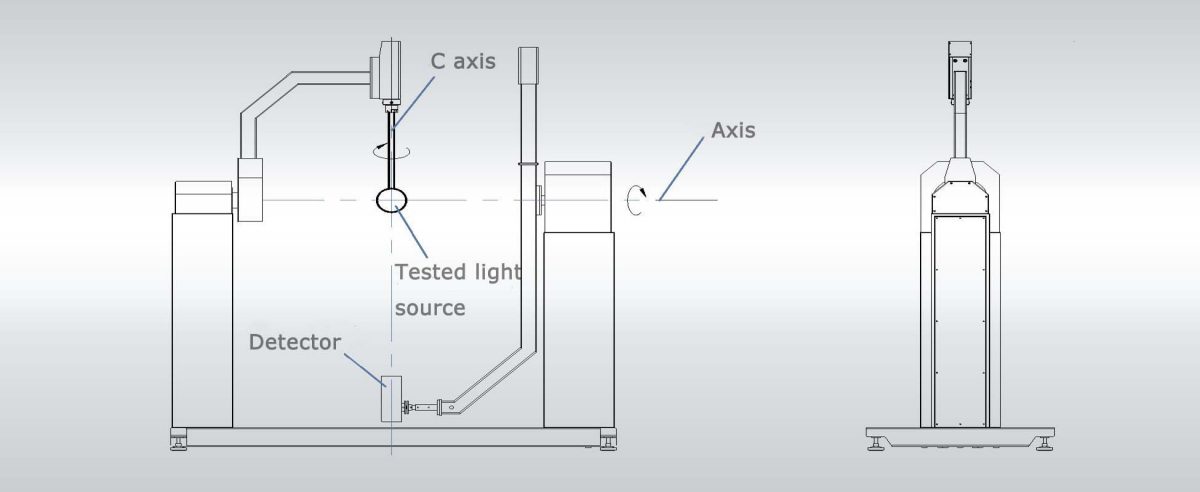
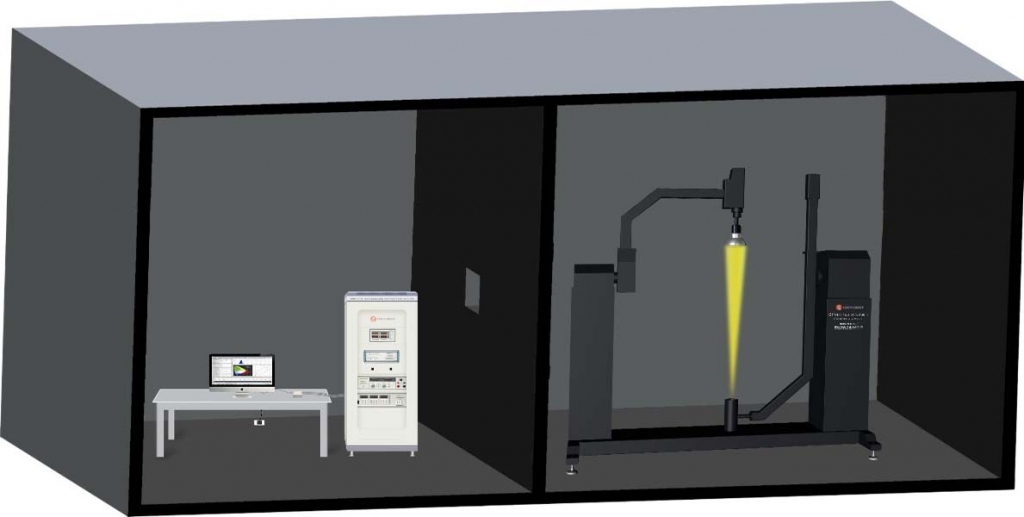
LSG-1900B goniophotometer is near field type C automatic goniophotometric instrument for luminous intensity distribution measurement. The LSG-1900B uses a constant temperature detector. It is used for industrial laboratory photometric data measurements of small luminaires, such as down light, bulb light, etc.
Luminous Intensity Data, Luminous Intensity Distribution, Zonal Luminous Flux, Luminaries Efficiency, Luminance Distribution, Coefficient Of Utilization, Luminance Limitation Curves Glare, Maximum Ratio of Distance to Height, Equal Illuminance Diagrams, Curves of Luminaires VS Lighting Area, Lsocandela Diagrams, Efficient Luminescence Angle, etc.
Specification:
• It meets the requirements of CIE, IEC, IES LM-79 & GB standards
• It can do C-γ and B-β measurement
• The luminaires under test will keep the burning point from moving
• The luminaries under test rotates around an angle of (γ) ±180° (or 0-360°) and the luminaries rotates around itself with an angle of (C) ±180° (or 0-360°)
• Maximum size of luminaires under test: Φ300mm (diameter)×550mm (height); Weight: 20kg; Current: 10A
• Distance from lamp to detector: 1250mm
• Luminosity Testing Range: Light Intensity 0.015cd~10^7cd (detector)
• The accuracy of angle: 0.2°; The resolution of angle: 0.01°
• Accuracy of photometry: Class A
• English version software can run in Win7, Win8, Win10, Win11
• LISUN goniophotometer software can export CIE, IES, LDT and other format files. These kinds of format files can be transferred by other illumination and luminaire design software such as DiaLux
 English
 中文简体
中文简体 English
 Русский
 Español
 Português
 Türkçe
 العربية
 Deutsch
 Polski
 Italiano
 Français
 한국어
한국어 ไทย
ไทย Tiếng Việt
 日本語
日本語