
 English
 中文简体
中文简体 English
 Русский
 Español
 Português
 Türkçe
 العربية
 Deutsch
 Polski
 Italiano
 Français
 한국어
한국어 ไทย
ไทย Tiếng Việt
 日本語
日本語
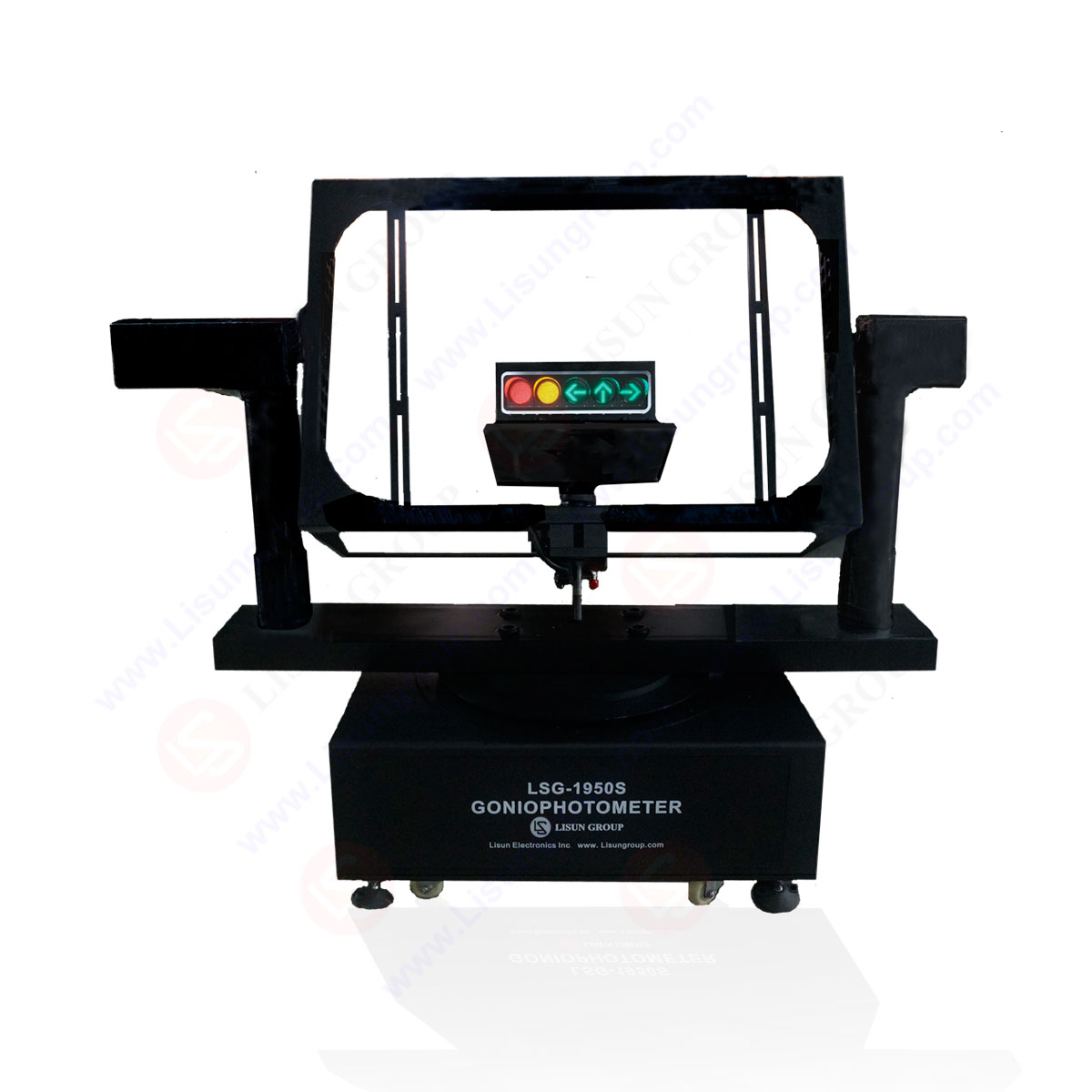
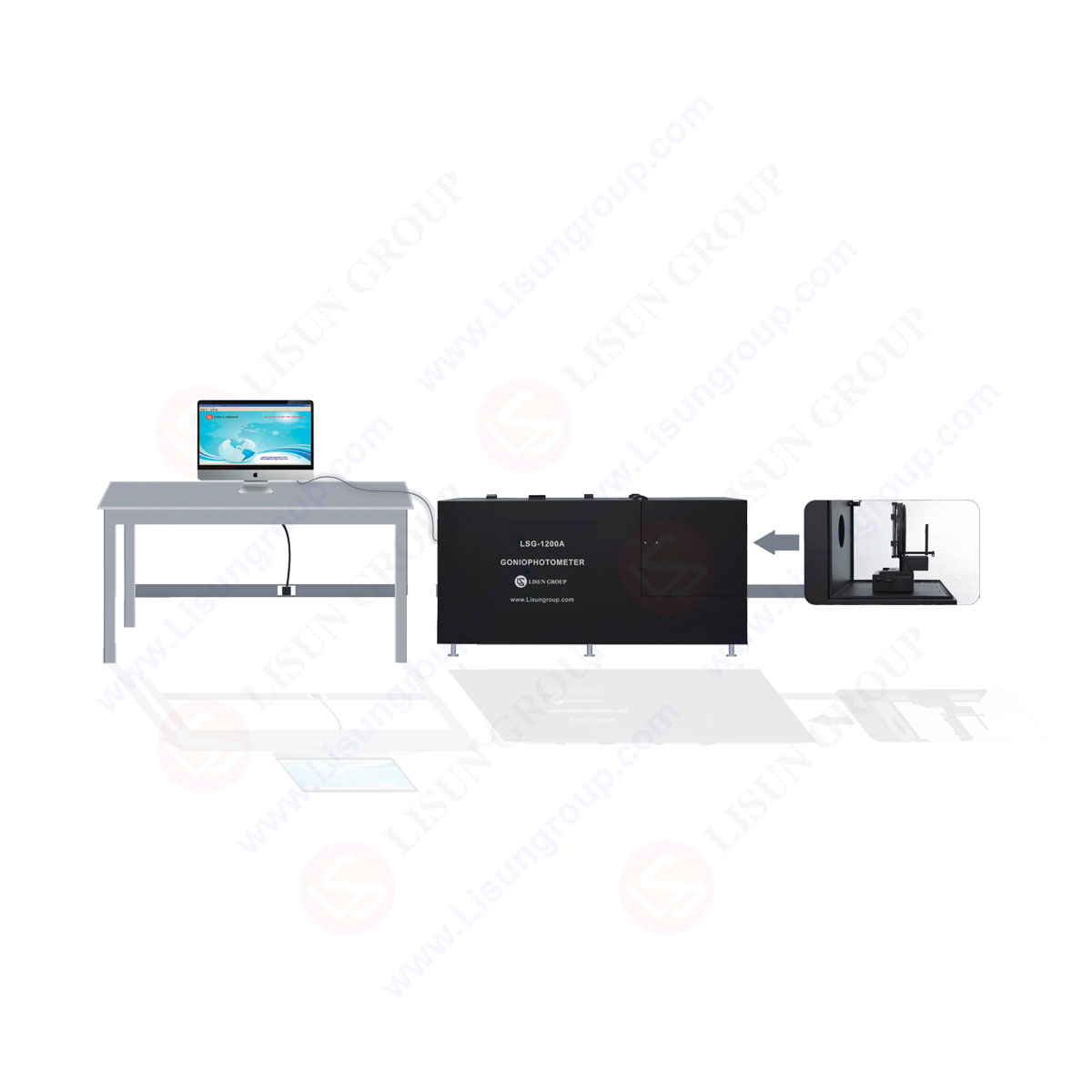
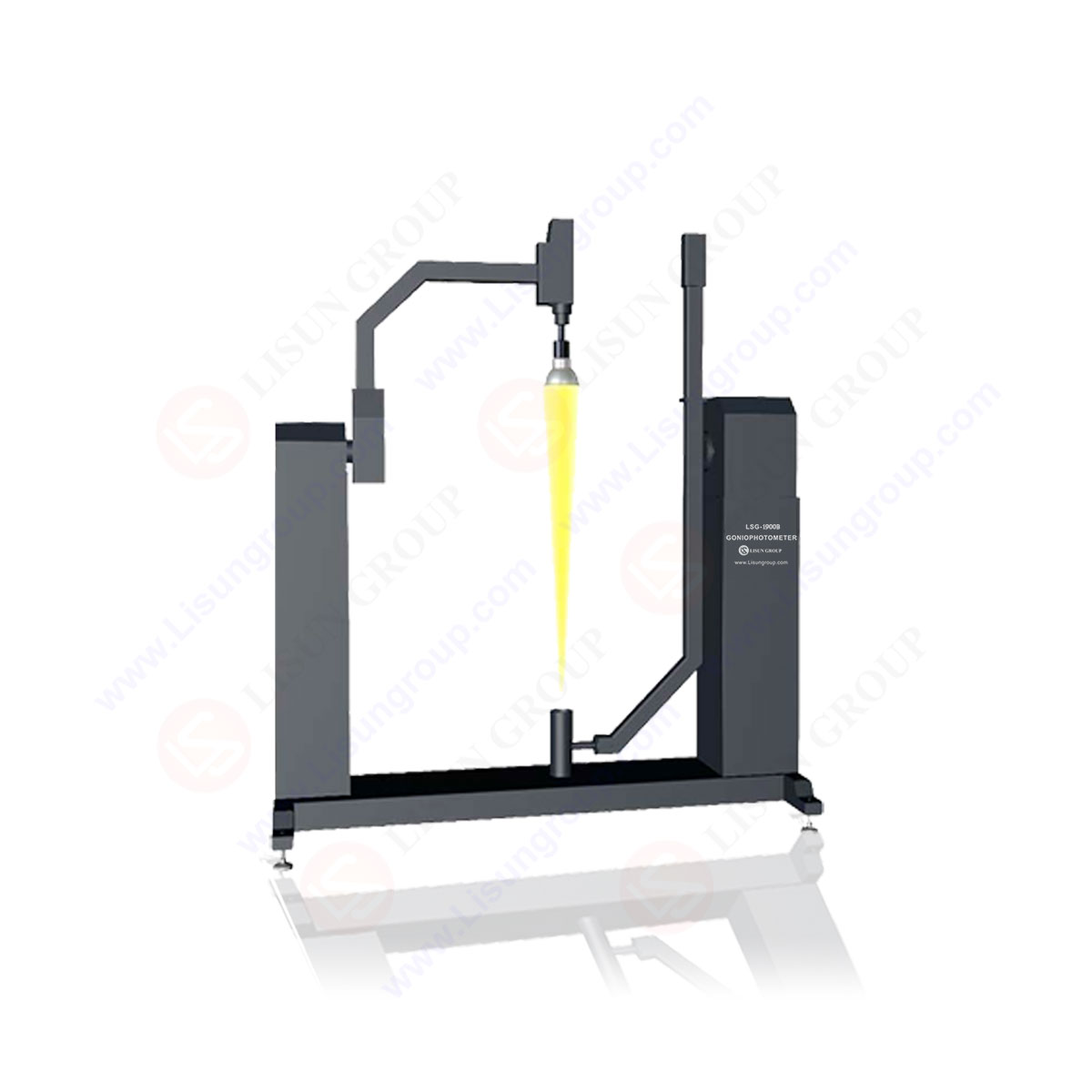










Abstract:
Introduction
In modern lighting engineering, luminaire research and quality inspection, luminous intensity (unit: candela, cd) is the fundamental physical quantity of photometry, which describes the directional light-emitting capability of a light source in all spatial directions. It is the core basis for constructing luminaire light distribution models, calculating spatial illuminance, evaluating glare hazards and designing lighting schemes. The spatial distribution characteristics of luminous intensity directly affect indoor lighting comfort, road illumination uniformity, irradiation range of floodlights and practical performance of various luminaires. Traditional simple testing equipment cannot complete full-angle automatic scanning with low data accuracy and single parameters, which is difficult to meet the strict photometric testing requirements of international standards for solid-state lighting products.
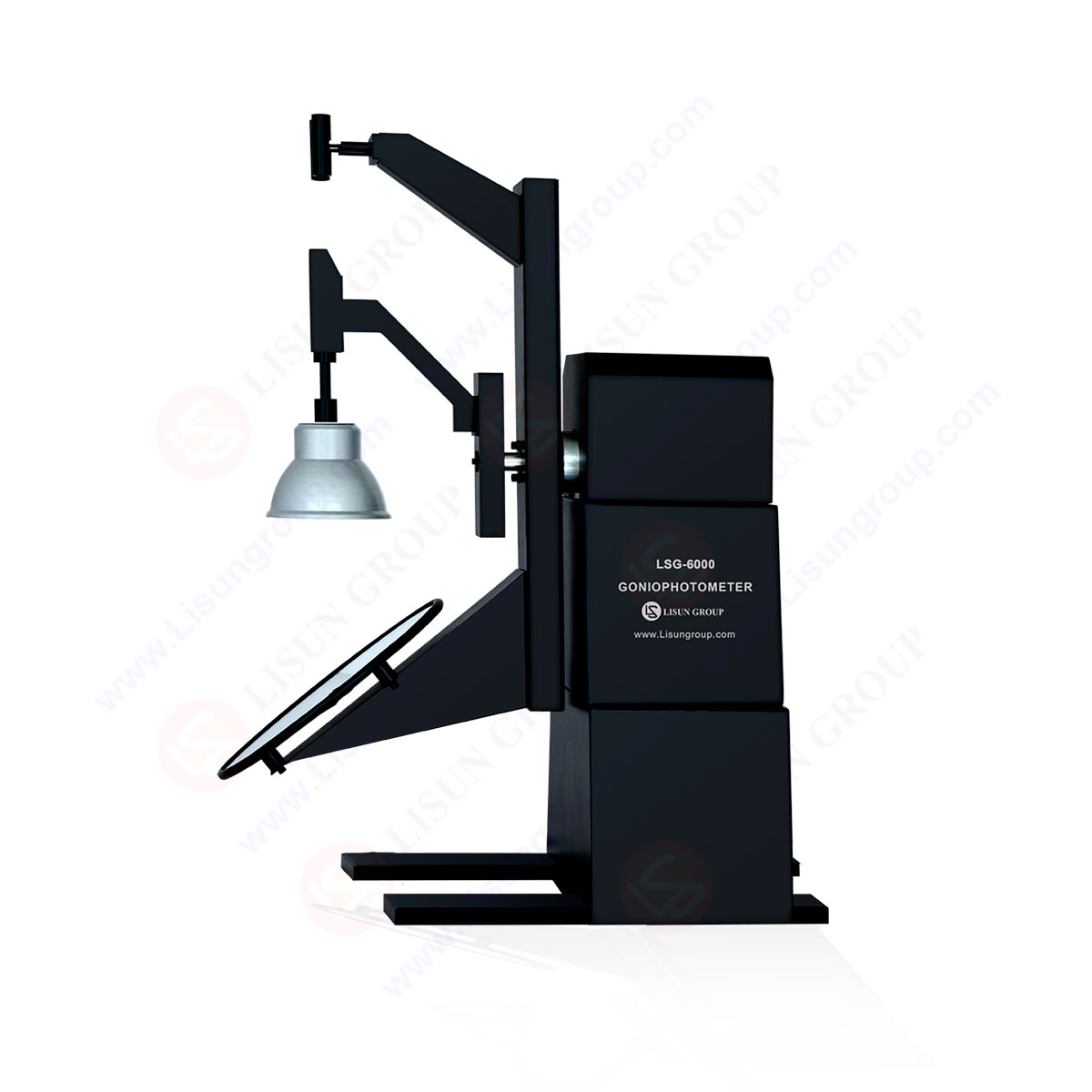
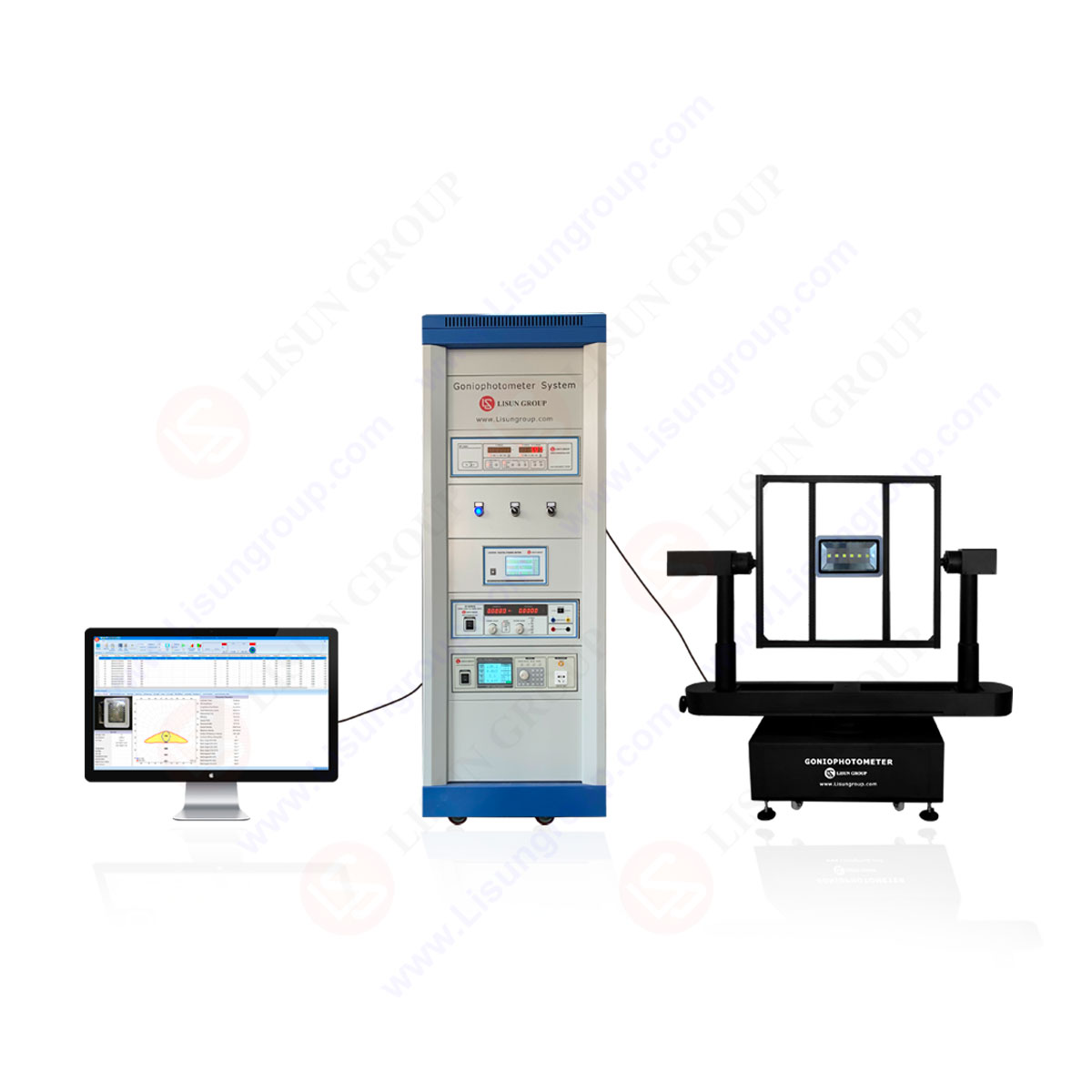
The LISUN LSG-6000 rotating-probe vertical goniophotometer fully complies with global specifications including LM-79-19, LM-79-24, CIE and EN13032-1 Type 4. It adopts a structure of fixed luminaire and rotating probe, which can automatically complete 3D spatial photometric scanning, accurately collect original luminous intensity data, and generate complete luminaire photometric reports based on light intensity distribution calculation. The equipment can simultaneously output multiple indicators such as light intensity distribution, isocandela curve, upward & downward luminous flux, luminous efficacy, UGR glare rating, effective luminous angle, utilization factor and isolux curve. It is suitable for detection of all categories of lighting products including LED luminaires, street lamps, floodlights, panel lights and plant growth lamps. Taking luminous intensity measurement as the core, this paper makes a comprehensive study on the system principle, technical parameters, testing process and engineering application of LSG-6000.
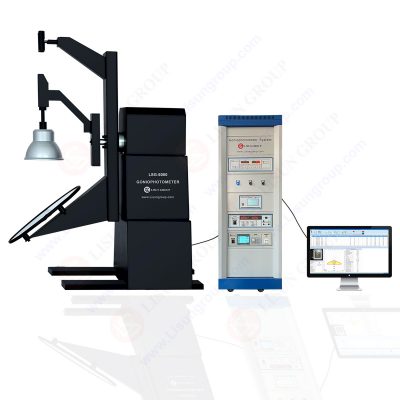
LM-79 Moving Detector Goniophotometer (Mirror Type C)
Definition and Theoretical Basis of Luminous Intensity
Basic Concept of Luminous Intensity
Luminous intensity is defined as the luminous flux radiated by a light source per unit solid angle in a given direction, and the formula is as follows: \[ I=\frac{d\Phi}{d\Omega} \] Where \(I\) is luminous intensity (cd), \(\Phi\) is luminous flux (lm), and \(\Omega\) is solid angle (sr). Luminous intensity has obvious directivity, and the numerical difference in different spatial angles forms the light distribution pattern of luminaires. Meanwhile, it is the original basic data for generating isocandela curves, calculating spatial illuminance, evaluating glare rating and determining the maximum height-distance ratio of luminaires. It is also a core photometric parameter required to be accurately measured by the LM-79 international standard.
Measurement Principle of Luminous Intensity by Goniophotometer
LSG-6000 adopts a vertical rotating probe structure, and the luminaire remains stationary throughout the test. A high-precision servo system drives the photometric probe and reflection components to perform full-space 360° circular motion around the luminaire. The system collects optical signals at each angular node and converts them into luminous intensity values of corresponding directions. Through full-angle sampling, the system establishes a 3D light intensity database, and further calculates derived indicators such as luminous flux, luminous efficacy, illuminance distribution and glare parameters, finally outputting standard light distribution files and complete test reports. The fixed-luminaire structure avoids light intensity errors caused by shaking of the tested light source, which greatly improves the authenticity and repeatability of luminous intensity measurement.

System Configuration and Core Technical Parameters of Goniophotometer
System Composition and Standard Compliance
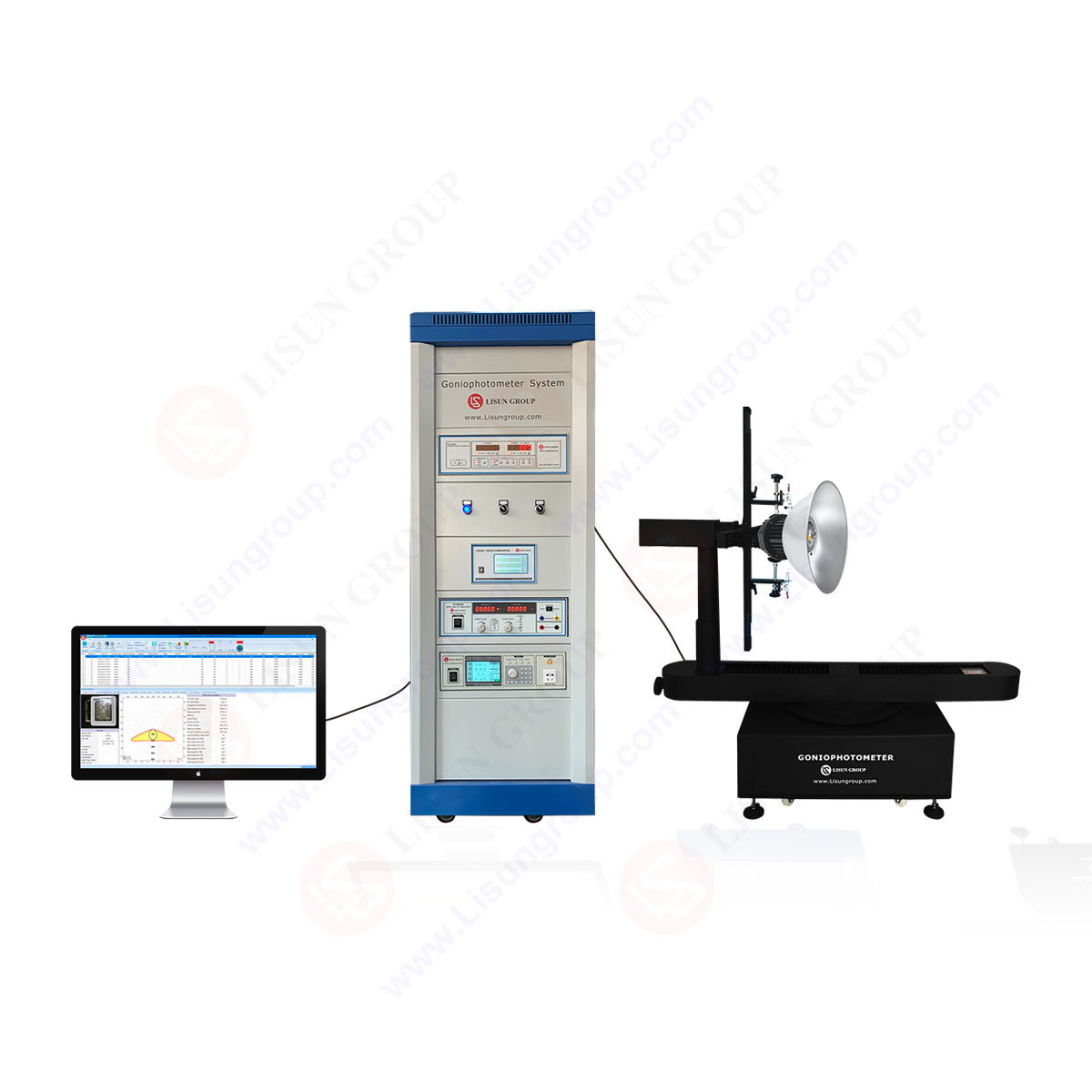
The LISUN LSG-6000 LM-79 vertical goniophotometer is equipped with high-precision servo drive system, cross laser positioning device, Class L constant-temperature photometric probe and intelligent data acquisition software, compatible with Windows operating systems. The equipment fully complies with domestic and international testing standards including LM-79-24, LM-79-19, CIE 121, CIE S025, EN13032-1, GB/T 24824 and EU ErP energy efficiency regulations. The test data can be directly used for product certification, foreign trade export, engineering bidding and lighting design simulation.
Key Technical Parameters
| Parameter Item | Technical Specification |
| Angular Rotation Range | γ-axis 0°~360° full-space scanning |
| Angular Accuracy | 0.05° |
| Angular Resolution | 0.001° |
| Photometric Probe Grade | Class L, f1′<1.5%, conforming to DIN5032-6 and CIE No.69 |
| Core Measuring Parameters | Luminous intensity, light intensity distribution, regional luminous flux, luminous efficacy, optional luminance distribution, utilization factor, luminance limit curve, UGR glare rating, maximum allowable height-distance ratio, isolux diagram, upward luminous flux, downward luminous flux, isolux curve, isocandela curve, effective luminous angle, EEI energy efficiency index |
| Output File Format | IES, LDT, CIE, importable into Dialux lighting design software |
| Standard Dark Room Height | 4.1m |
| Maximum Size & Weight of Adaptable Luminaires | Φ1600×600mm, 50kg |
Standardized Testing Process of Luminous Intensity
Applied Testing Standards
The measurement of luminous intensity and supporting photometric parameters is carried out in strict accordance with the following specifications: ANSI/IES LM-79-24 Electrical and Photometric Measurements of Solid-State Lighting Products, CIE 121 Photometry of Luminaires and Goniophotometry, EN13032-1 Photometric Data Standard for Luminaires, and national standard GB/T 24824 for LED module testing.
Complete Testing Steps
• Preprocess the dark room environment to eliminate the interference of ambient stray light on luminous intensity collection;
• Adopt laser center positioning to accurately align the luminous center of the tested luminaire with the geometric rotation center of the equipment;
• Preheat the equipment and calibrate the photometric probe with standard light sources;
• Set scanning step length, sampling interval and testing range in the software;
• Start automatic testing, and the system collects original luminous intensity data in all angles;
• Perform background calculation to generate light distribution curves, illuminance models and glare parameters;
• Automatically export test reports, light distribution files and various photometric parameter sheets.
Luminous Intensity Test Data and Result Analysis of Typical Luminaires
Measured Photometric Data of Various Luminaires
| Luminaire Sample Type | Peak Luminous Intensity (cd) | Effective Luminous Angle (°) | Light Distribution Type | UGR Glare Rating | Luminous Efficacy (lm/W) |
| LED Road Street Lamp | 1850 | 120 | Bat-wing distribution | 19 | 132 |
| LED Indoor Panel Light | 420 | 110 | Lambertian distribution | 16 | 118 |
| Full-spectrum Plant Growth Lamp | 960 | 100 | Symmetrical uniform distribution | 22 | 125 |
| High-power LED Floodlight | 5200 | 25 | Narrow beam concentrated distribution | 28 | 129 |
Comprehensive Analysis of Test Results
• Excellent luminous intensity measurement accuracy: The minimal angular error and high-grade probe ensure accurate light intensity values in all directions. The relative deviation of repeated test data is less than 1%, and the peak luminous intensity stability meets the requirements of research and certification.
• Complete and intuitive spatial light intensity distribution: Isocandela curves and 3D light intensity cloud maps are generated based on full-space luminous intensity data, fully showing the directional light-emitting characteristics of luminaires and providing reliable basis for optical lens design and light distribution optimization.
• Strong integrated parameter calculation capability: Based on luminous intensity basic data, the system can simultaneously calculate all engineering parameters including upward & downward luminous flux, utilization factor, height-distance ratio, isolux curve, UGR glare value and EEI energy efficiency index, realizing one-stop comprehensive photometric evaluation.
• High data versatility: The exported IES and LDT light distribution files can be directly imported into Dialux and other lighting simulation software for indoor and outdoor lighting scheme simulation.
Application Advantages of LISUN LSG-6000 System
• Full-space high-precision luminous intensity detection: The fixed-luminaire rotating-probe structure avoids errors caused by light source shaking, and the high-precision servo system ensures accurate angular positioning, making the data fit the actual luminous state of luminaires.
• Full compatibility with global standards: The testing system strictly complies with LM-79, CIE, EN series international specifications with authoritative and universal data, suitable for all scenarios including foreign trade certification, third-party inspection and enterprise quality control.
• Comprehensive testing parameters: Covering more than 20 photometric indicators including light distribution, luminous efficacy, glare, illuminance and energy efficiency based on luminous intensity, one equipment meets all optical testing requirements of luminaires.
• Wide adaptation range: Compatible with indoor lighting, road lighting, flood lighting, plant lighting, HID light sources and other various luminaires with different sizes and weights.
• High automation degree: Fast laser positioning, full-automatic scanning and intelligent report generation greatly reduce manual operation cost and improve laboratory testing efficiency.
Conclusion
Taking luminous intensity as the core original measurement parameter, the LISUN LSG-6000 LM-79 vertical goniophotometer realizes full-space automatic photometric scanning and detection of lighting luminaires. With 0.05° high-precision angular control and Class L high-accuracy probe, the system accurately collects luminous intensity values in all directions, and derives and calculates complete photometric parameters including light intensity distribution, luminous flux, luminous efficacy, UGR glare rating, effective luminous angle, isolux curve and utilization factor. It fully meets domestic and international standard requirements such as LM-79, CIE and EN13032-1.
The equipment has prominent advantages in measurement accuracy, data stability and functional comprehensiveness of luminous intensity. It provides a complete and reliable testing platform for luminaire light distribution optimization in product research and development, factory quality control, export certification detection and engineering lighting parameter verification, which has important engineering application value for promoting the standardization of optical design and quality upgrading in the lighting industry.